
How to Prep Your Plumbing Before Summer Travel
June is vacation season, and that means your plumbing will be sitting at home alone while everybody else is at the lake, the airport, or somewhere with better snacks.

A few simple checks before you leave can help prevent leaks, water damage, and a nasty surprise when you walk back through the door.
Before you leave town, check these five things:
1. Find your main shutoff valve
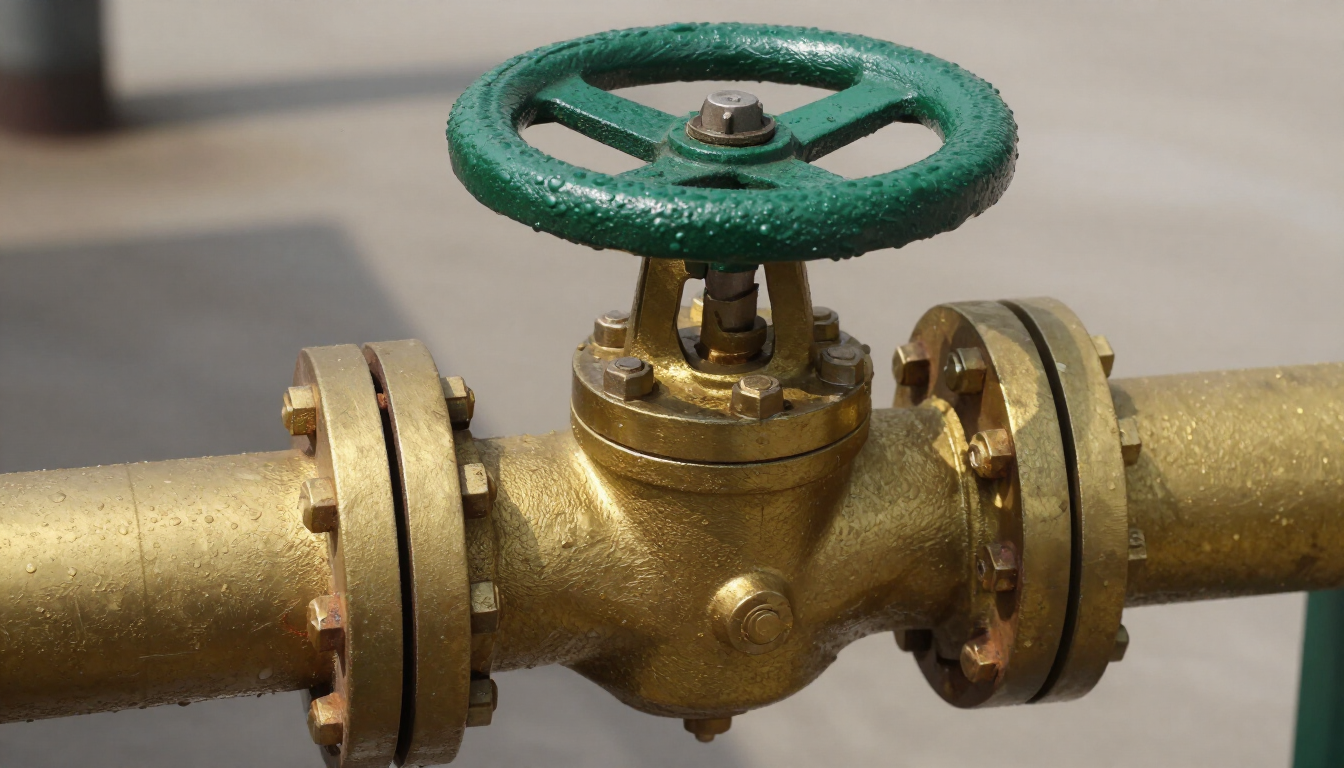
Know where your home’s main water shutoff is before you actually need it. In many homes, the valve is near where the water line enters the house, often close to the water heater or near the meter outside.
If you’re going to be gone for more than a few days, shutting off the main water supply is one of the simplest ways to reduce flood risk. If you do shut the water off, open a faucet briefly afterward to relieve pressure and confirm the line is closed.
2. Check for leaks under sinks and around fixtures
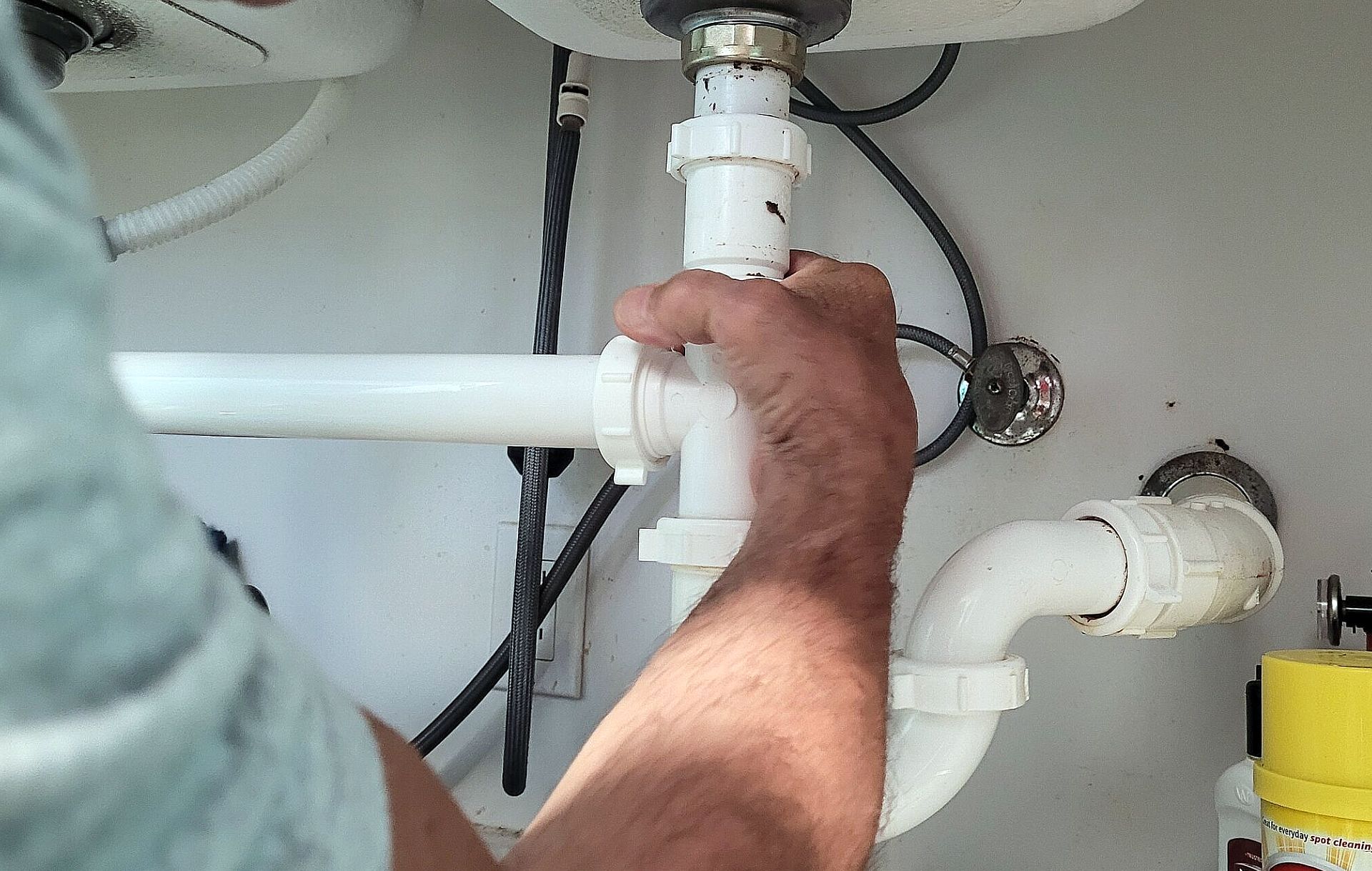
Look under kitchen and bathroom sinks, around toilets, behind the washing machine, and near the water heater for moisture, corrosion, or drips. Small leaks have a bad habit of turning into big, expensive leaks when nobody is home to notice them.
A quick meter check can also help. If no one is using water and the meter still moves over a couple of hours, there may be a hidden leak.
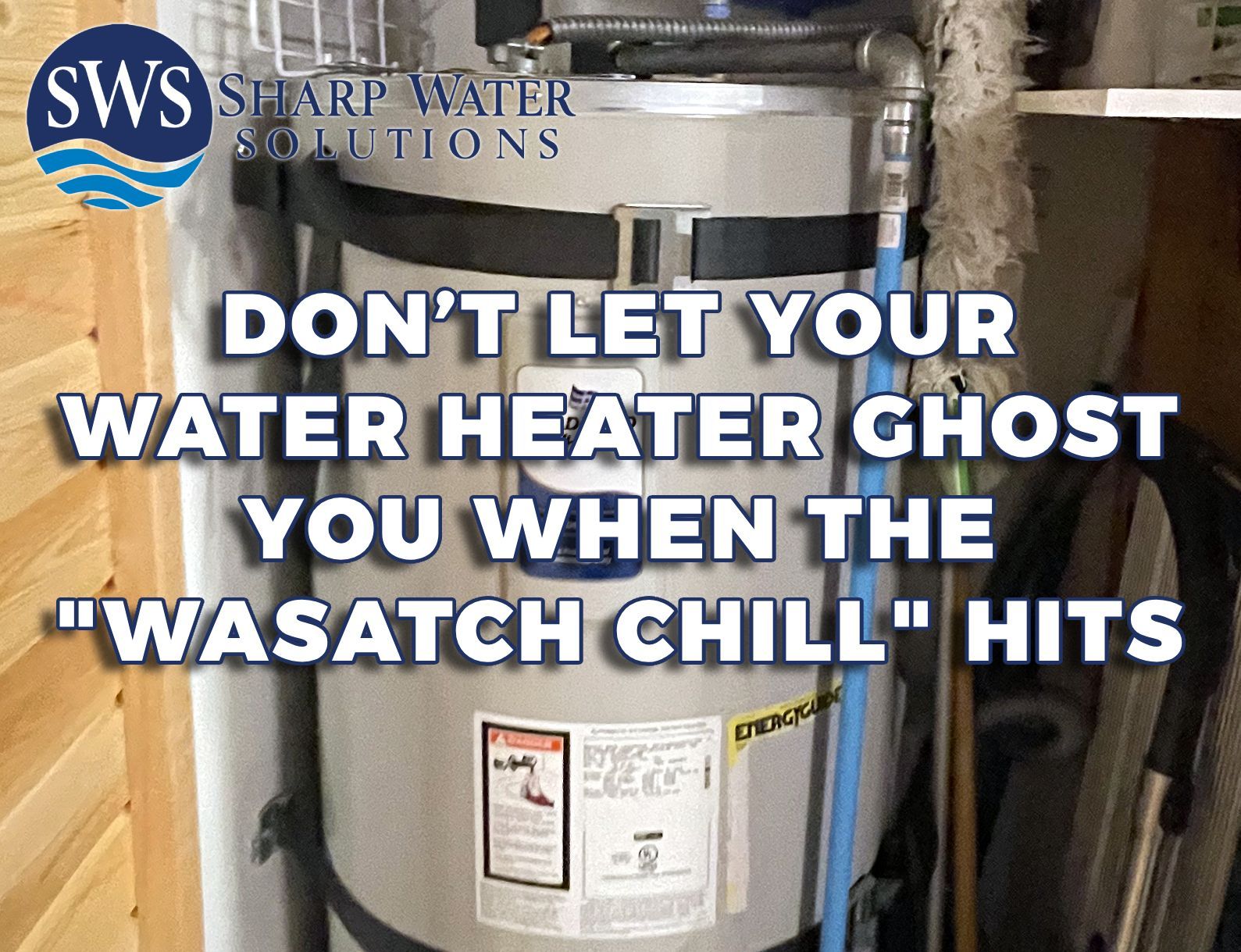
3. Set your water heater for travel
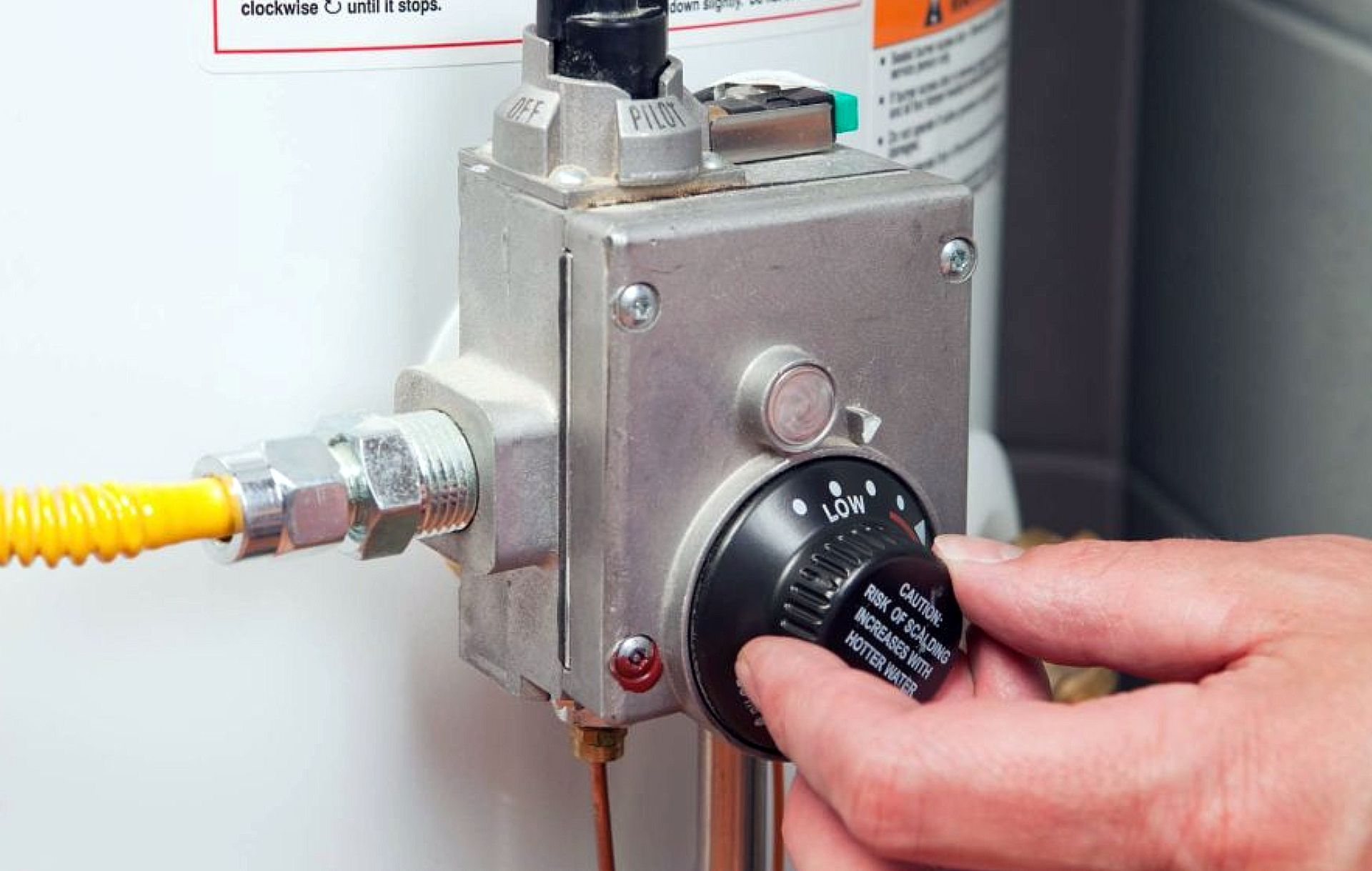
If your water heater has a vacation setting, use it before you leave. That lowers the tank temperature while you’re away and saves energy without asking the unit to work overtime for nobody.
If there is no vacation mode, lower the temperature according to the manufacturer’s guidance, or turn the unit off if that is appropriate for your setup and trip length. For gas units, that can include turning off the gas valve, while electric units can often be shut off at the breaker.
4. Inspect the water heater itself
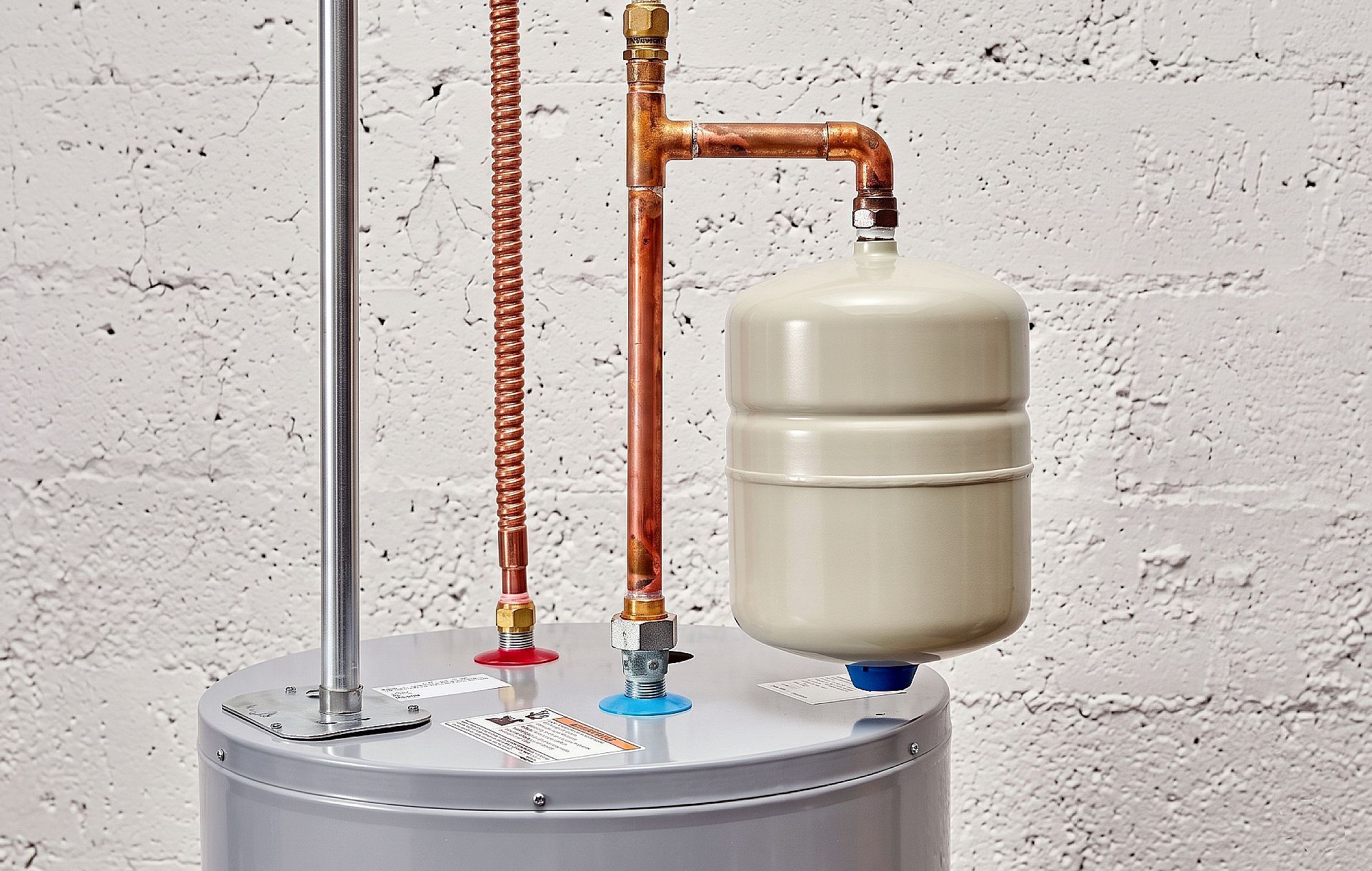
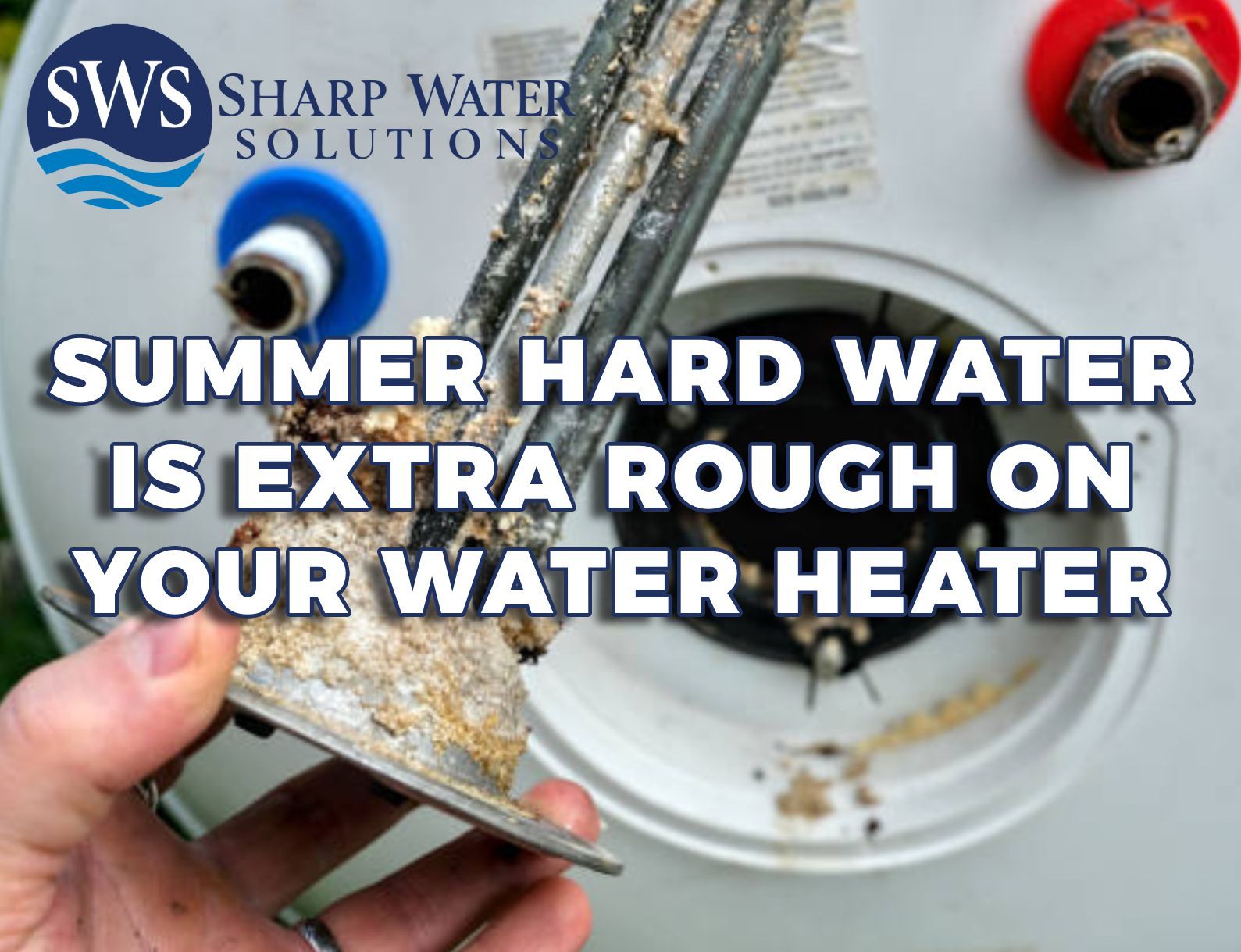
Before any trip, look for moisture around the base of the tank, rusty fittings, corrosion, or signs the heater has been struggling. Utah’s hard water can speed up sediment and scale buildup, which makes water heaters less efficient and more likely to act tired, noisy, or cranky.
If your water heater has not been flushed in a while, summer is a smart time to deal with it before mineral buildup turns into a repair bill. A water heater with age, sediment, or visible leakage should be inspected before you head out of town.
5. Do a quick outdoor check
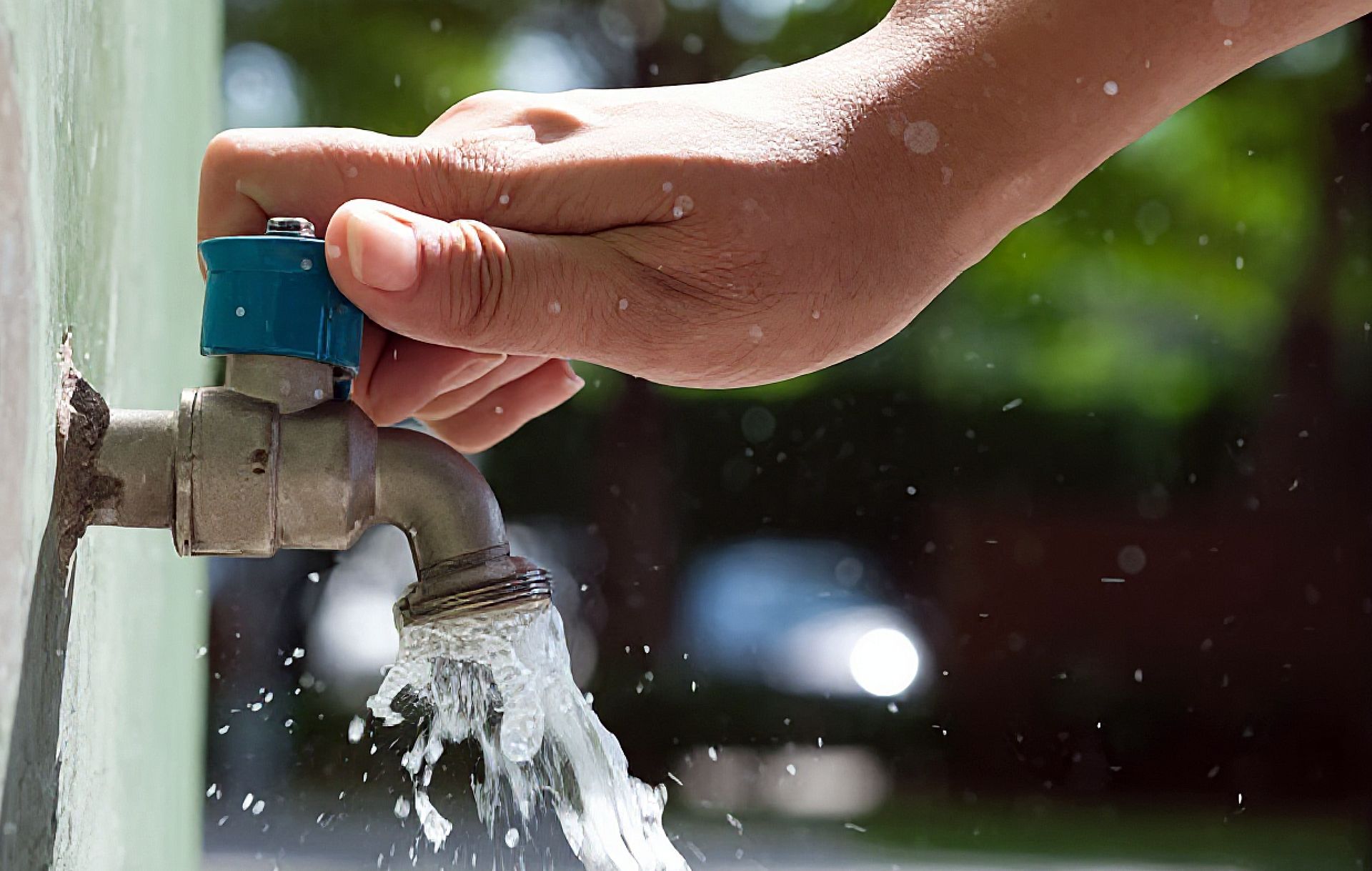
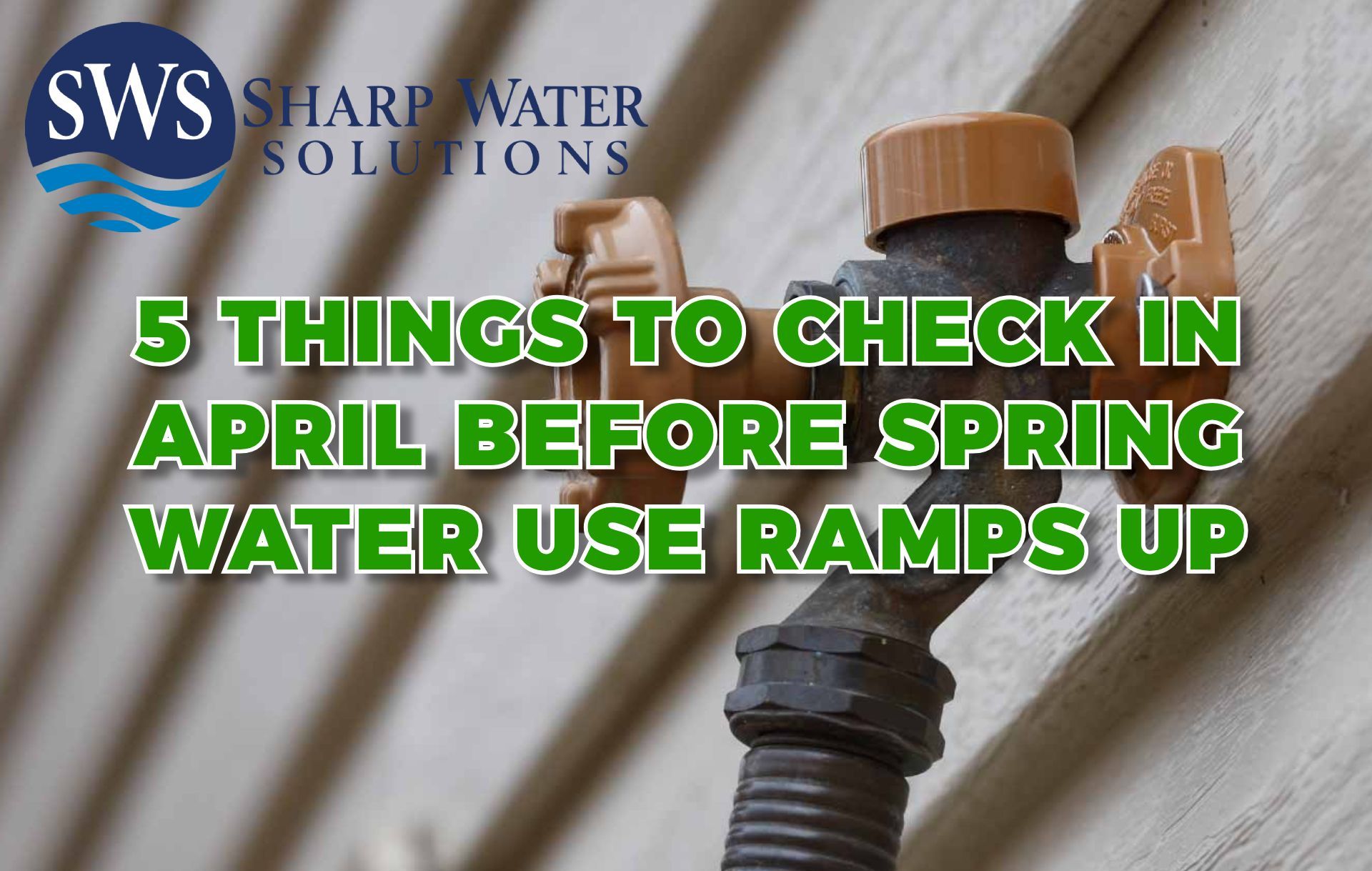
Make sure hoses are disconnected, outdoor faucets are dry, and any irrigation timers or outdoor watering systems are set properly. If you have a sprinkler system, confirm it is not leaking and that nothing is stuck on while you are gone.
If your home uses pressurized irrigation, check that it is operating normally before travel, especially during the summer watering season in Utah communities where irrigation systems are active. A bad valve or broken head is annoying on a normal day, and it is worse when the house is empty.
A simple pre-trip routine:
A good five-minute routine before vacation looks like this:
- Shut off the main water if you will be away for several days.
- Check under sinks, around toilets, and near the water heater for leaks.
- Set the water heater to vacation mode or a lower setting.
- Make sure hoses and outdoor water are disconnected or off.
- Ask a neighbor or friend to keep an eye on the house if you’ll be gone longer.
It's not all that much fun to cover, but neither is coming home to soaked drywall and a ruined floor.
Why this matters in Utah
Utah homes deal with ultra-hard water, mineral scale, and seasonal changes that put extra stress on plumbing and water heaters. Summer travel just adds one more risk factor, because a small issue can sit unnoticed for days or weeks.
A little prep goes a long way. That is especially true in homes with older valves, aging water heaters, or hard-water buildup already working behind the scenes like a tiny jerk.
Need a hand before you leave?
Sharp Water Solutions can help with leak checks, water heater service, softener maintenance, and plumbing inspections before your trip. If you want to leave town without worrying about what is happening at home, schedule a free water test or in-home estimate.
Call us today! 801-233-3325