
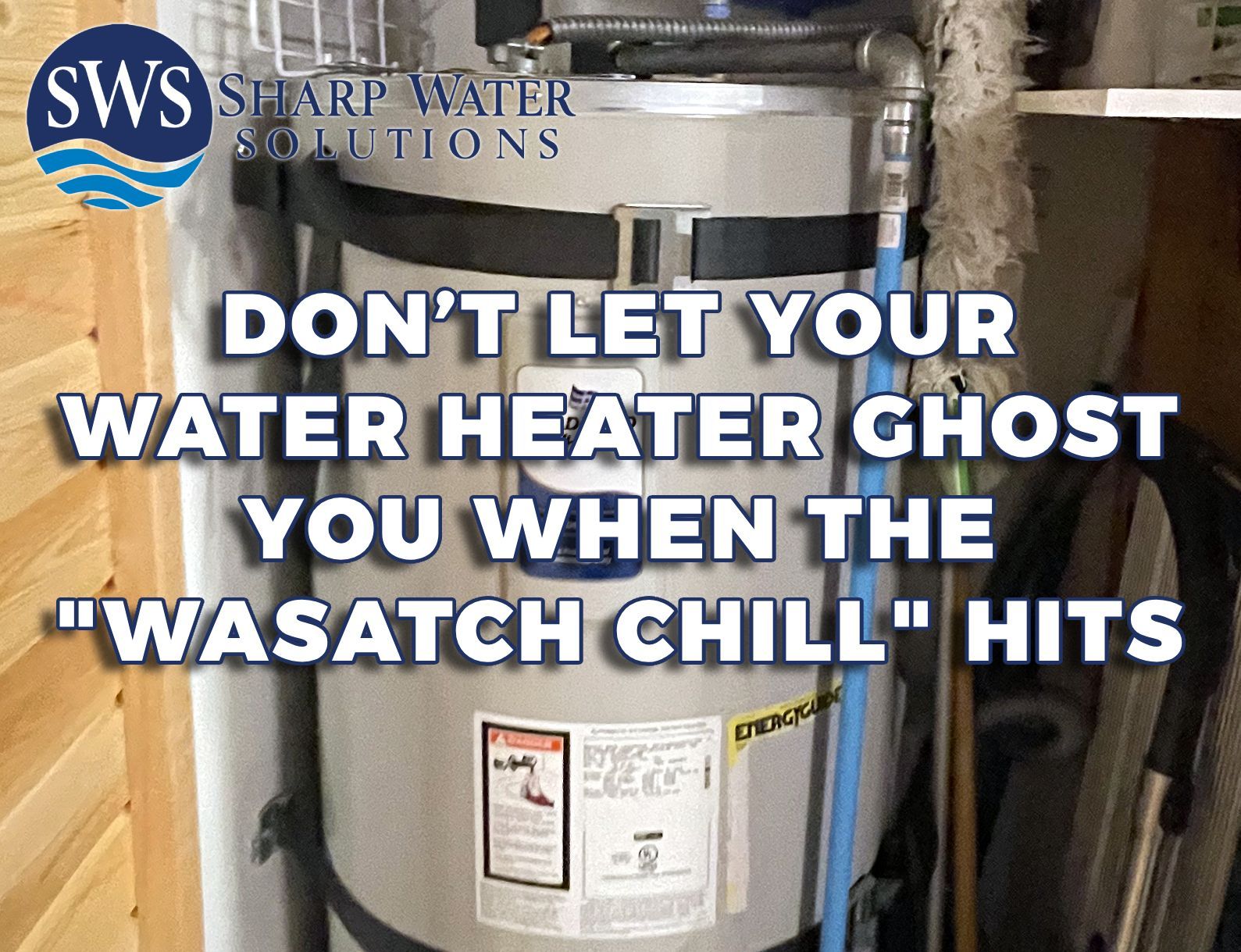
Don’t Let Your Water Heater Ghost You When the "Wasatch Chill" Hits
We all know how September rolls around here in Utah...
One afternoon you’re running errands in shorts with a dirty Dr. Pepper in hand, and the next morning you’re shivering because those canyon winds decided to kick up overnight. Welcome to "False Fall" on the Wasatch Front.
But while you’re digging your favorite hoodie out of storage, there’s something else you need to think about: your water heater.
There is absolutely nothing worse than waking up on a chilly, 45-degree Utah morning, stepping into the shower, and realizing your water heater has decided to ghost you. Let’s talk about why water heaters love to quit when the weather turns, and how you can stop it before it happens.
The Real Villain: Utah’s Rock-Hard Water
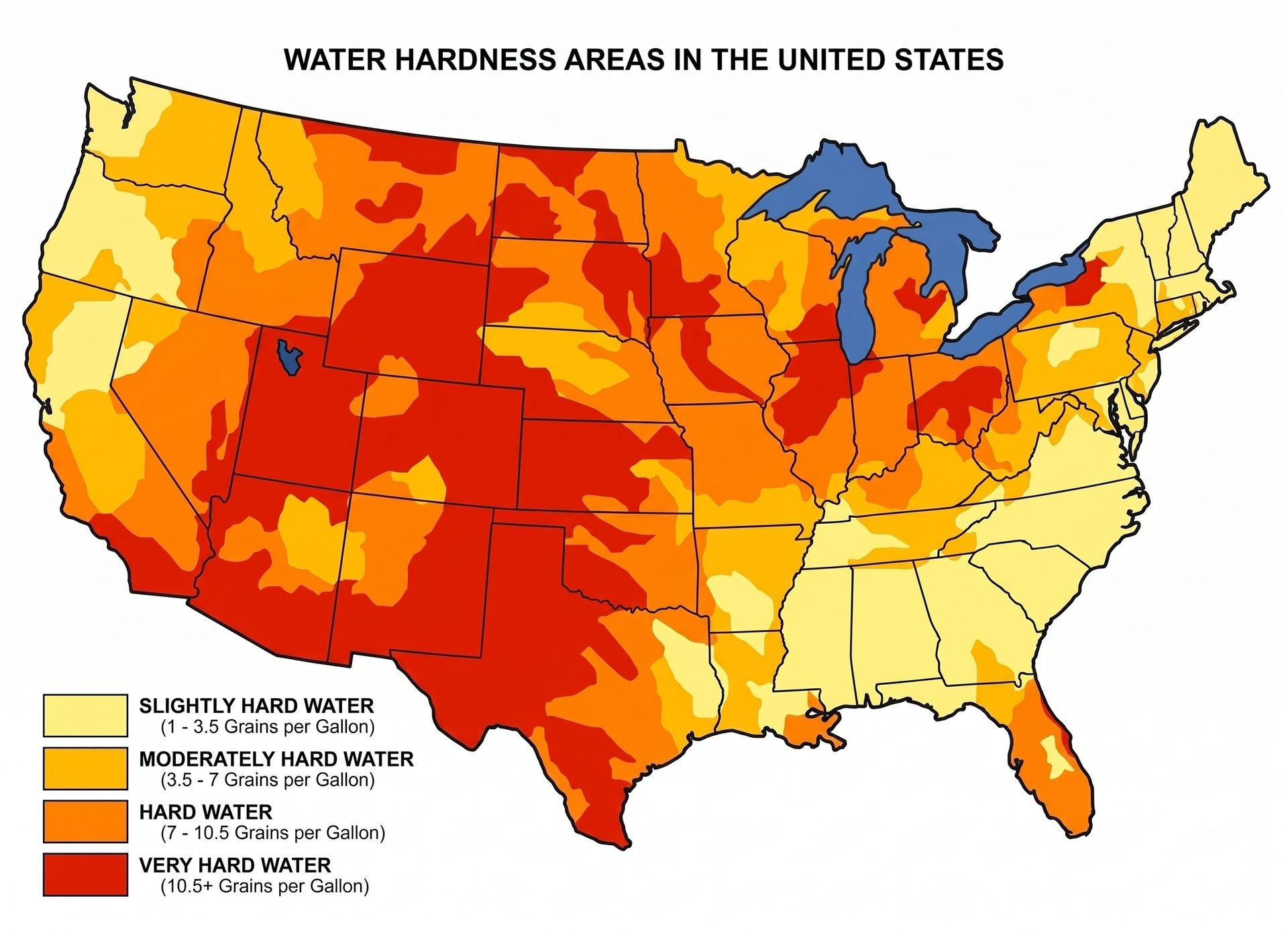
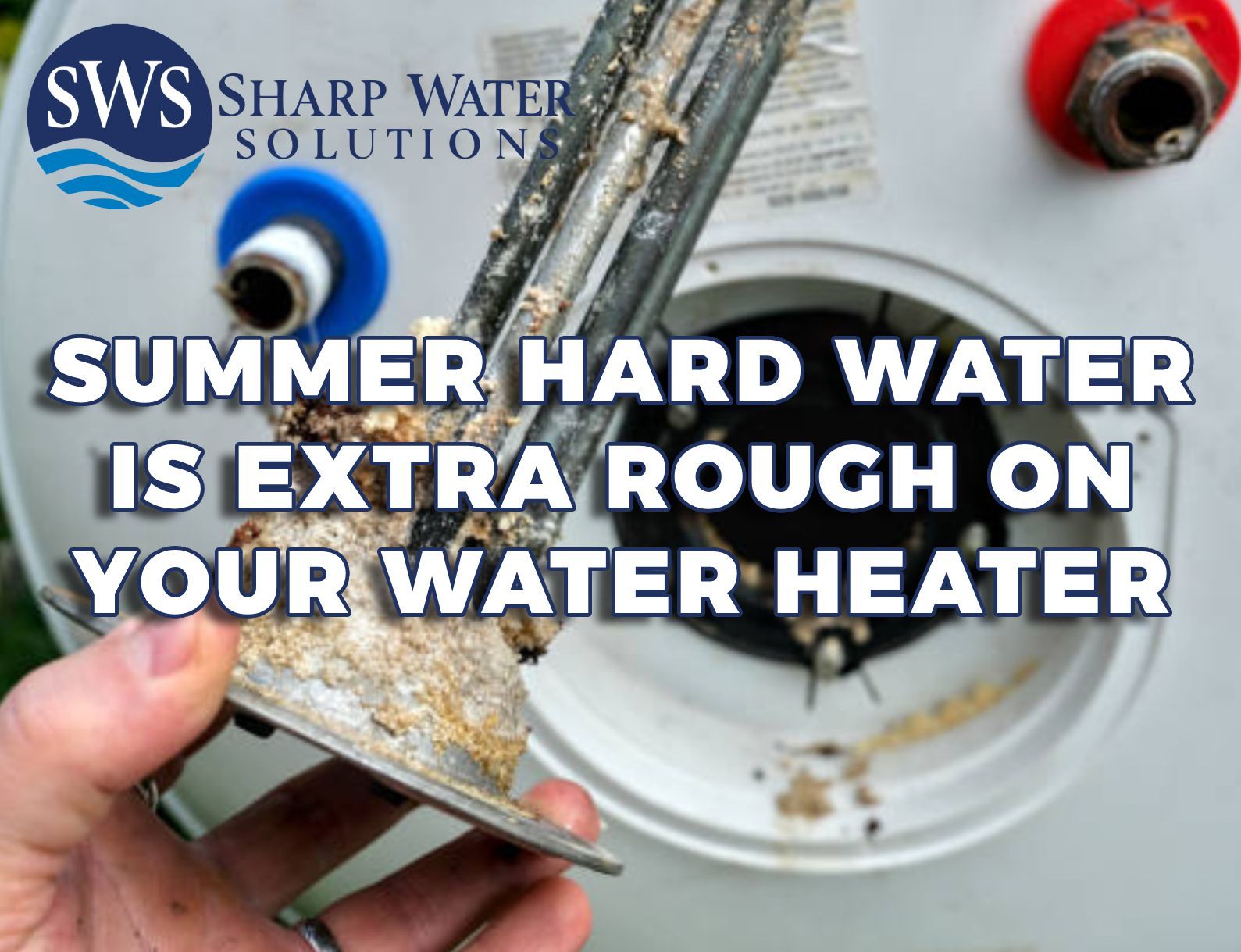
You probably already know that our water here is hard. But did you know that summer hard water is extra rough on your water heater?
All summer long, your water heater has been pulling in that hard water, heating it up, and leaving behind a little gift: calcium and magnesium. Over the months, this creates a thick layer of rock-like scale at the bottom of your tank.
Think of it like trying to boil water on the stove, but putting a brick inside the pot first. Your water heater has to work overtime, pushing heat through that layer of sediment just to get the water warm. When the temperatures outside finally drop and the groundwater coming into your home gets colder, your overworked, scale-filled water heater has to work even harder.
That’s usually the exact moment the heating elements burn out or the tank fails.
How to Tell if Your Water Heater is Struggling
Before you end up taking an unexpected ice bath before your morning commute, do a quick check on your system. Here is what to look and listen for:
- The "Popcorn" Sound: Go stand next to your water heater while it’s running. Do you hear a rumbling, popping, or crackling noise? That’s not normal. That’s the sound of water boiling underneath a thick layer of mineral scale.
- Running Out of Hot Water Fast: If your hot showers are getting shorter, it’s not because your teenagers are using it all (well, maybe it is). It’s often because that scale buildup is taking up physical space in your tank, meaning there’s less room for actual hot water.
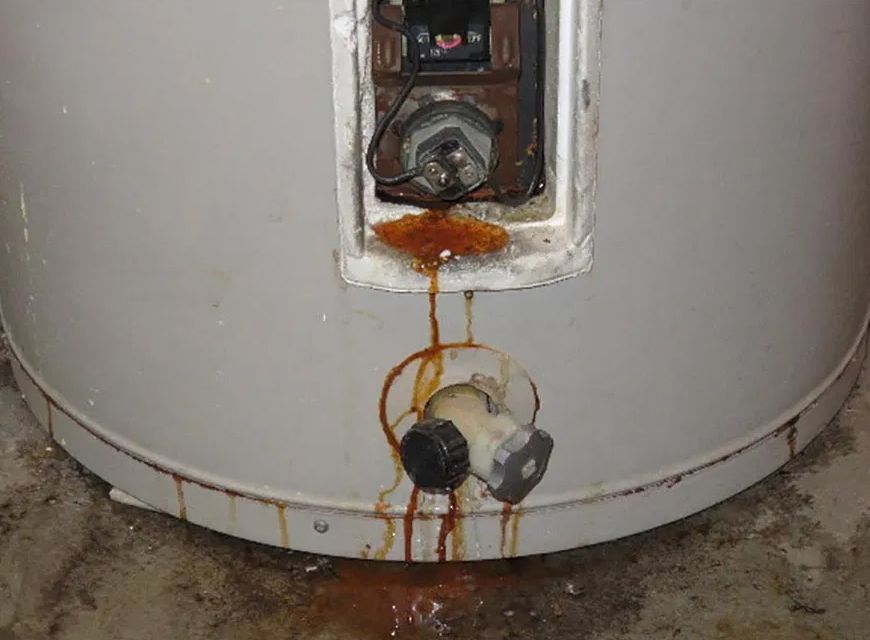
- Rusty Water or Leaks: If your hot water looks a little discolored, or you see pooling water around the base of the tank, don't wait. A leak means the tank is already failing.
How to Prep for the Chill
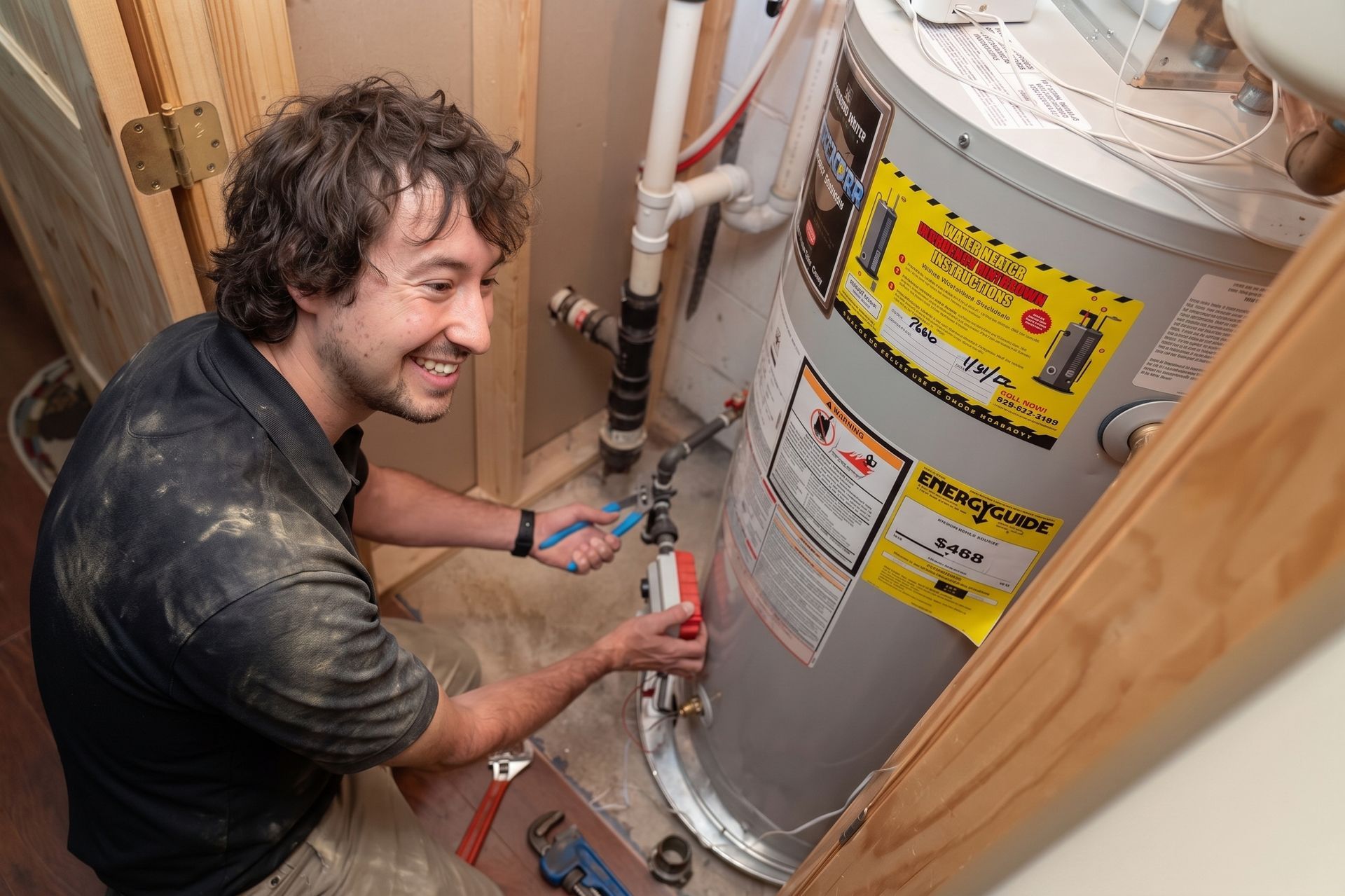
The good news is, a little bit of maintenance right now will save you a lot of headache (and money) later.
- Flush the Tank: The absolute best thing you can do right now is flush the sediment out of your tank. If you aren't sure how to do this safely, it's a great time to call in a pro.
- Check the Pressure Relief Valve: This little valve keeps your tank from building up too much pressure. It’s a crucial safety feature that should be tested annually.
- Check Your Water Softener: The best way to protect your water heater from scale buildup is to stop the hard water before it gets there. Make sure your water softener is full of salt and functioning correctly. If you don't have a softener, now is the time to look into one!
We've Got You Covered
Don't wait until you're freezing in the shower to think about your plumbing. Whether you need a quick tune-up, water heater repair, or a full hot water heater replacement, Sharp Water Solutions is here to help.
We know Utah plumbing challenges better than anyone, and we know exactly how to handle our crazy hard water. If your system is making weird noises or just not keeping up, give us a call. We handle water heater maintenance, repairs, and full installations.
Stay warm out there, Utah. And seriously, go check on your water heater.