
Summer Hard Water Is Extra Rough on Your Water Heater
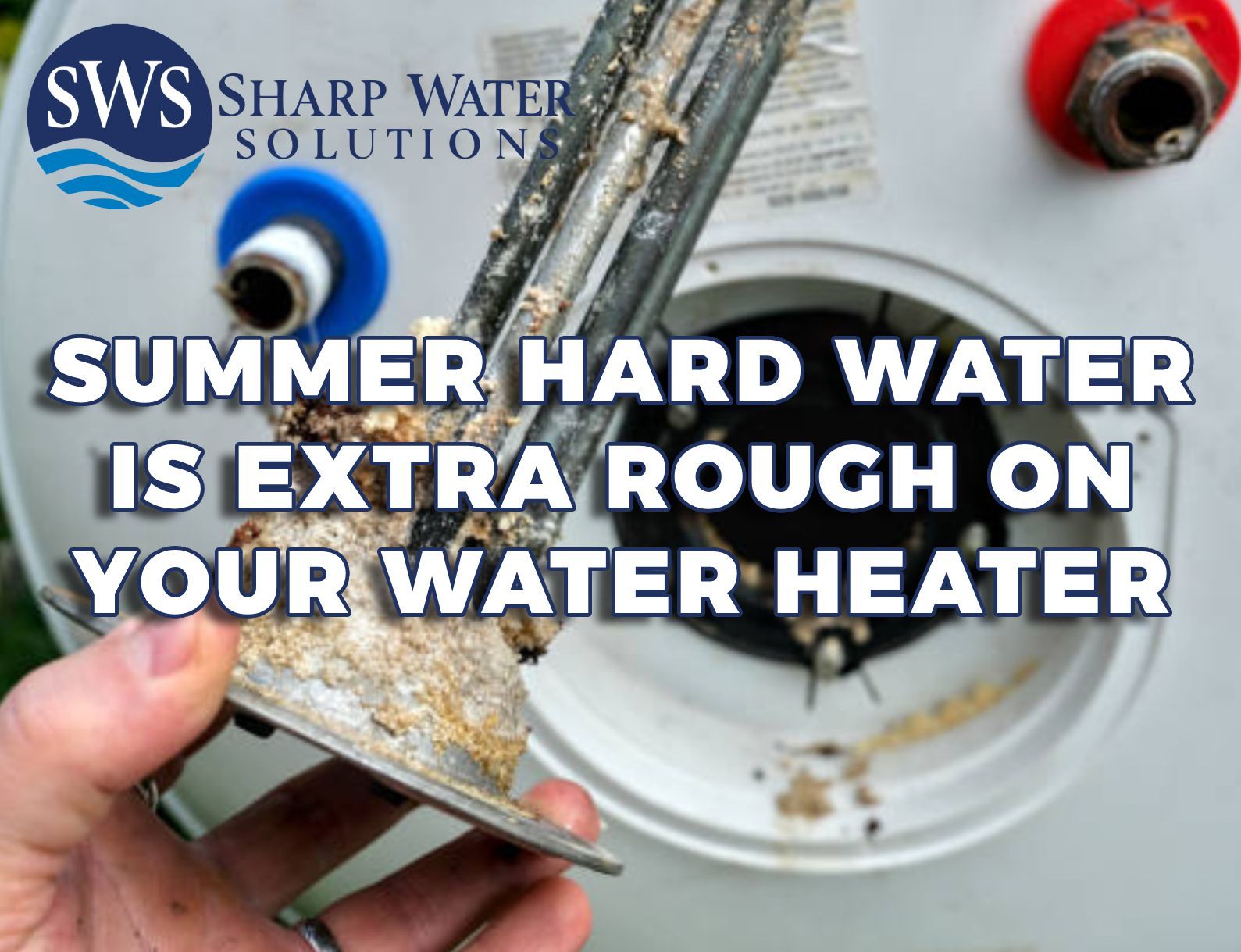
July in Utah really puts your plumbing to the test. Between the extra showers, endless laundry, and the dishwasher running non-stop, your water heater doesn't exactly get a summer break. If your home has hard water, this is usually when you'll start noticing the wear and tear showing up a bit faster than usual.
Around the Salt Lake Valley and northern Utah, our water can be pretty mineral-heavy, and some systems actually get even "harder" groundwater during the summer months.
That means there's more calcium and magnesium moving through your pipes. Once that water hits the heating elements, those minerals start sticking exactly where you don't want them.
Most of us notice the symptoms long before we realize what's causing them. Maybe your hot water doesn't last as long as it used to, or your tank starts making those weird popping and rumbling sounds. You might see that chalky white crust on your fixtures or notice your utility bills creeping up.
It doesn't feel like a big deal at first, but it definitely adds up.
Why hard water hits a Water heater so hard
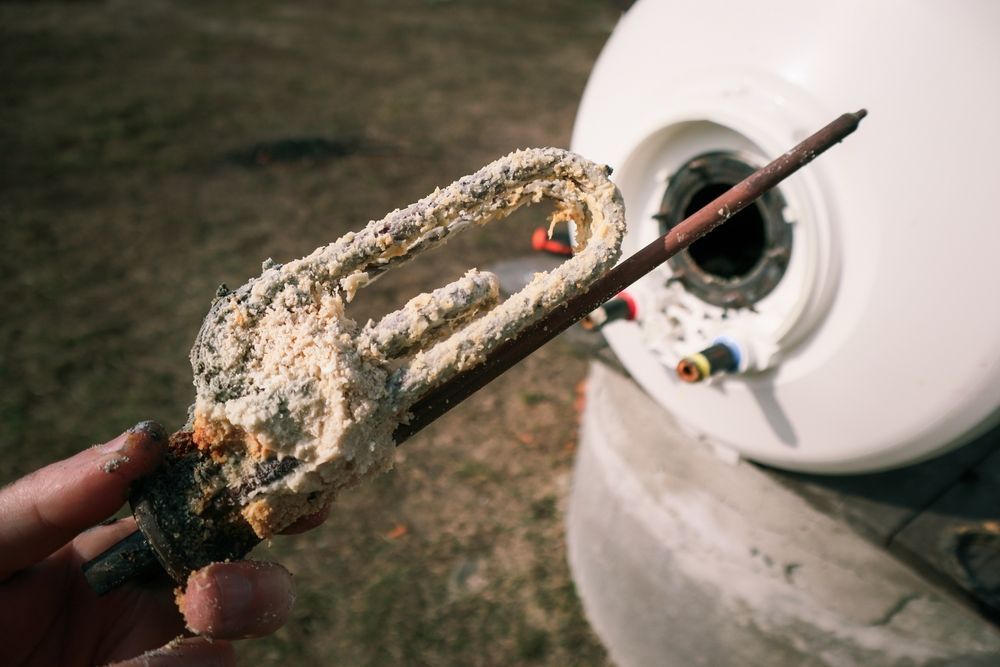
Hard water is just water that's loaded with dissolved minerals like calcium and magnesium. Cold water can carry those minerals through your plumbing just fine, but once that water heats up inside your tank, the minerals "fall out" and start collecting as scale.
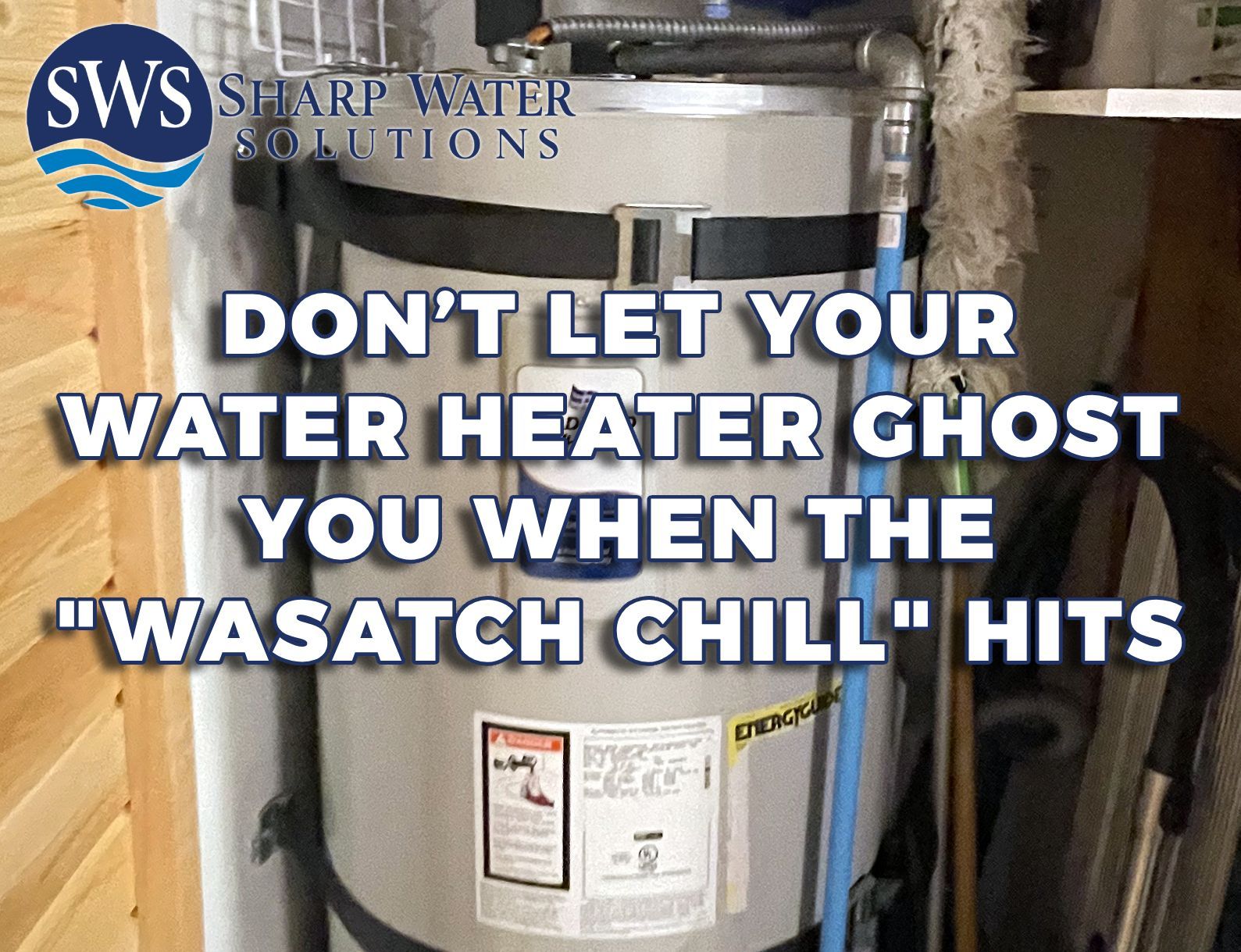
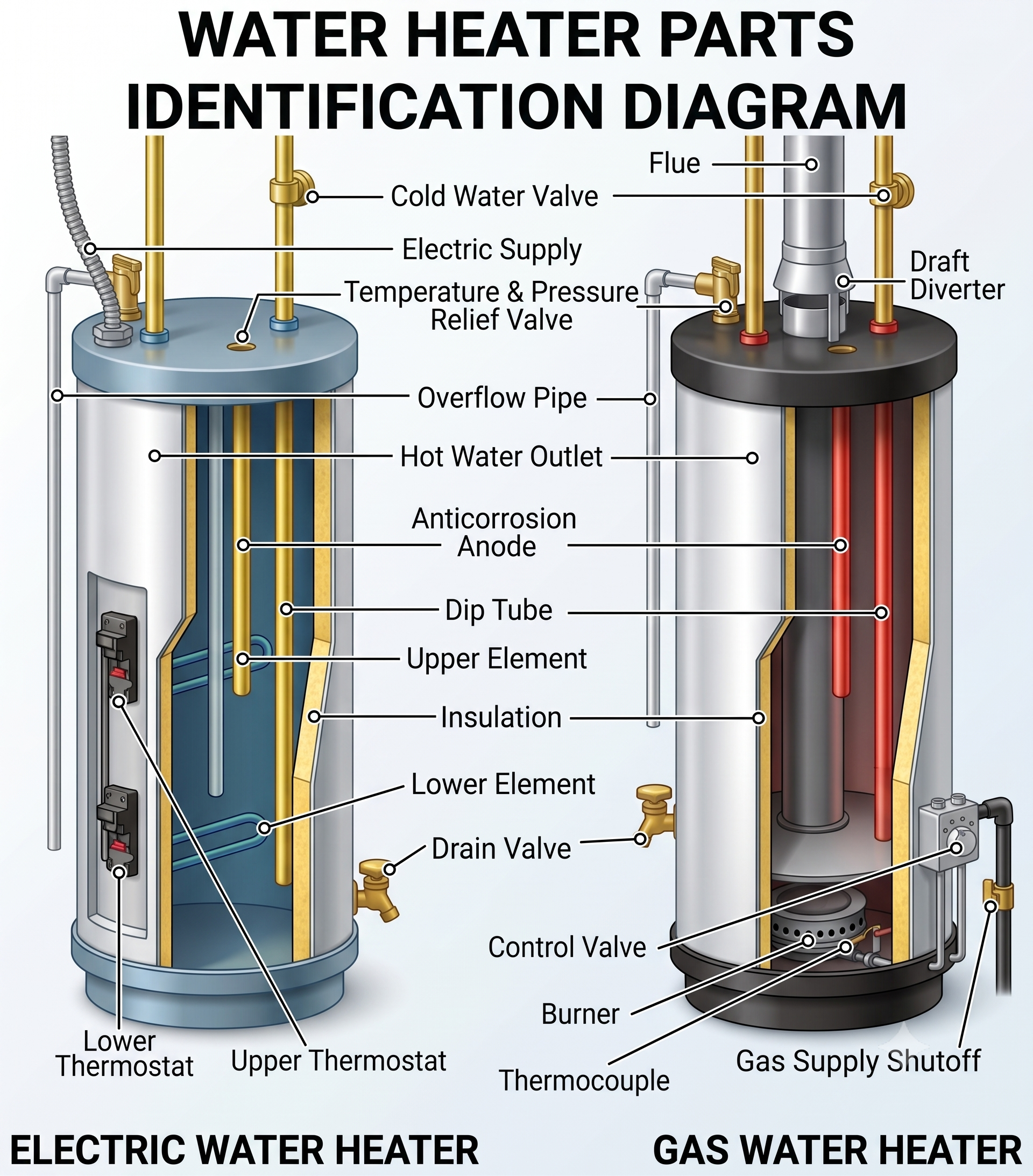
That scale builds up along the bottom of the tank and on the heating elements. If you have a gas unit, it might start to rumble because water gets trapped under that sediment, overheats, and bubbles through. For electric units, scale coats the elements, making them work way harder and wear out sooner.
It's the same annoying lime buildup you see on your shower head, just happening inside a much more expensive appliance.

How Utah summers can make things worse
Utah's water isn't the same in every city, and it actually changes with the seasons too. In the Salt Lake area, our water sources shift throughout the year. During the summer, many systems rely more on groundwater, which is often much harder than the fresh snowmelt we get in the spring.
This shift is why you might notice more spots on your glasses or more heater issues when it's hot out. Even if the water is perfectly safe to drink, "safe" water and "low-mineral" water are two very different things when it comes to your appliances.
It's also why you and your neighbor might have totally different experiences with scale. Everything from your specific water source to how much laundry you do or how your softener is set up plays a part.
What scale does inside your tank
A clean water heater is an efficient one. Once mineral scale starts coating the bottom or the heating surfaces, your unit has to burn more gas or use more electricity just to do the same amount of work.
Over time, that leads to a few problems you'll definitely notice:
- You'll have less hot water for showers or back-to-back chores.
- Your monthly bills will start to go up because the unit is working too hard.
- Internal parts wear out faster from the constant heat and sediment.
- Your heater won't last as long as it should if the buildup is ignored.
Basically, hard water turns a normal appliance into one that has to fight against itself every single day.
Signs your water heater might have a problem
Most water heaters usually leave you a few clues before just kicking off.
Keep an eye out for:
- Any popping, rumbling, or crackling sounds coming from the tank.
- Hot water that runs out faster than it used to.
- White scale on your faucets, shower doors, or around the heater connections.
- Dingy laundry or spotty glasses—these are big signs of a whole-house hardness issue.
- A softener that's low on salt or just isn't keeping up with your family's needs.
If you're seeing a few of these at once, there's a good chance your heater isn't the only thing that's taking a beating.
And both tank-style and tankless units feel the heat. Standard tank water heaters usually show problems first because they're always holding and heating the same water. But tankless units aren't immune, scale can still build up inside the heat exchanger if you skip maintenance.
It's different equipment, but the mineral problem is exactly the same.
What you can do right now
Don't worry, you don't need to tear your house apart. Just start with the basics.
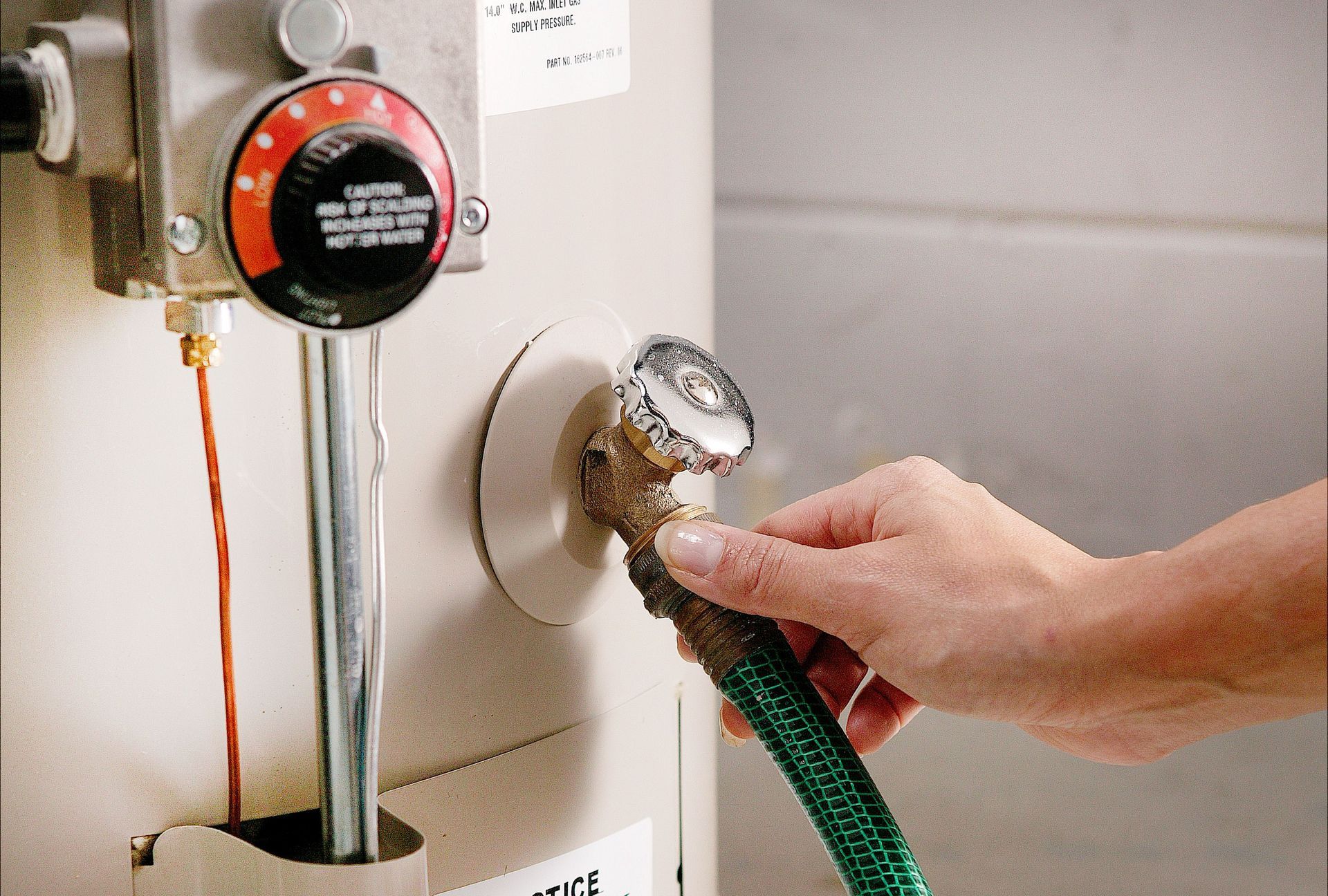
- Flush your water heater. We recommend doing this once a year to clear out the sediment that slows things down.
- Check your softener. Make sure there's salt in the tank and it's regenerating like it should for your home's actual usage.
- Test your water. Hardness varies a ton in Utah, so it's better to know exactly what your specific house is dealing with.
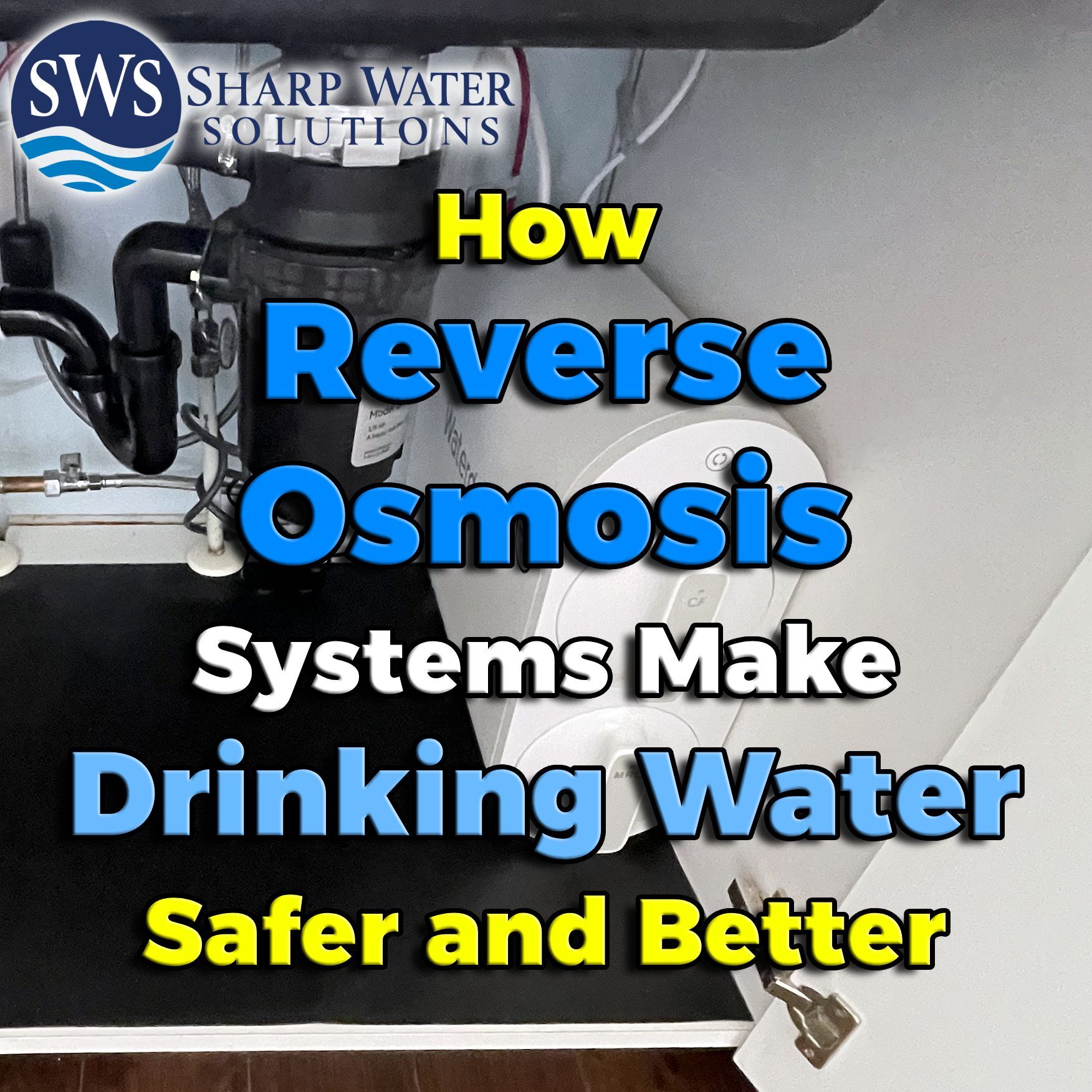
- Think about drinking water separately. A softener handles the minerals, but reverse osmosis is what you want for great-tasting water at the sink.
- Don't ignore those noises. If your tank is already loud, a flush might help, but it's usually time for a professional look.
Why a water test is worth it in Utah
It's easy to assume all city water is the same, but in Utah, that's just not true. One neighborhood might have moderate hardness while the next one over is very hard.
That's why a real test is so useful. It tells you what your house is dealing with right now, not what a chart said a nearby ZIP code dealt with months ago.
If your hardness is high, the right softener setup will protect your heater, keep your fixtures clean, and make your day-to-day cleaning a whole lot easier.

A quick July project that pays off later
July is actually a great time to handle this because your system is already working hard. If your water heater is struggling now, it won't get any better by ignoring it through the rest of the summer.
If you've got hard water buildup, noisy equipment, or a softener you haven't checked in a while, take a look now. A simple test and an honest look at your heater can save you from big repair bills or an early replacement later on.
Sharp Water Solutions is here to help Utah homeowners with softeners, heaters, and plumbing issues caused by hard water.
If your water heater sounds like it's making gravel every time you use the hot water or your fixtures have a white crust that just won't stop, starting with a free water test or in-home estimate is a great idea.
Call us today! 801-233-3325